Unmatched Technology Used In Construction Of Dakota Access Pipeline
The use of technology is construction of some of the most important infrastructures around the world is an important factor that should always be put into considerations. Without the right technologies and innovations, most of these infrastructure projects may turn into disaster, which has already been experienced in various parts of the world. However, it is important to note that most of the people around the world are paying attention to technology in construction of some of the major plants. Go Here for additional information.
Dakota Access Pipeline is one of the most significant pipelines in the United States. The pipeline connects some of the most productive oil fields in the United States with the market. The system of the pipeline has played a significant role in ensuring that there is sufficient supply of oil in various parts of the country while also playing a major role in ensuring that there is energy independence across the country.
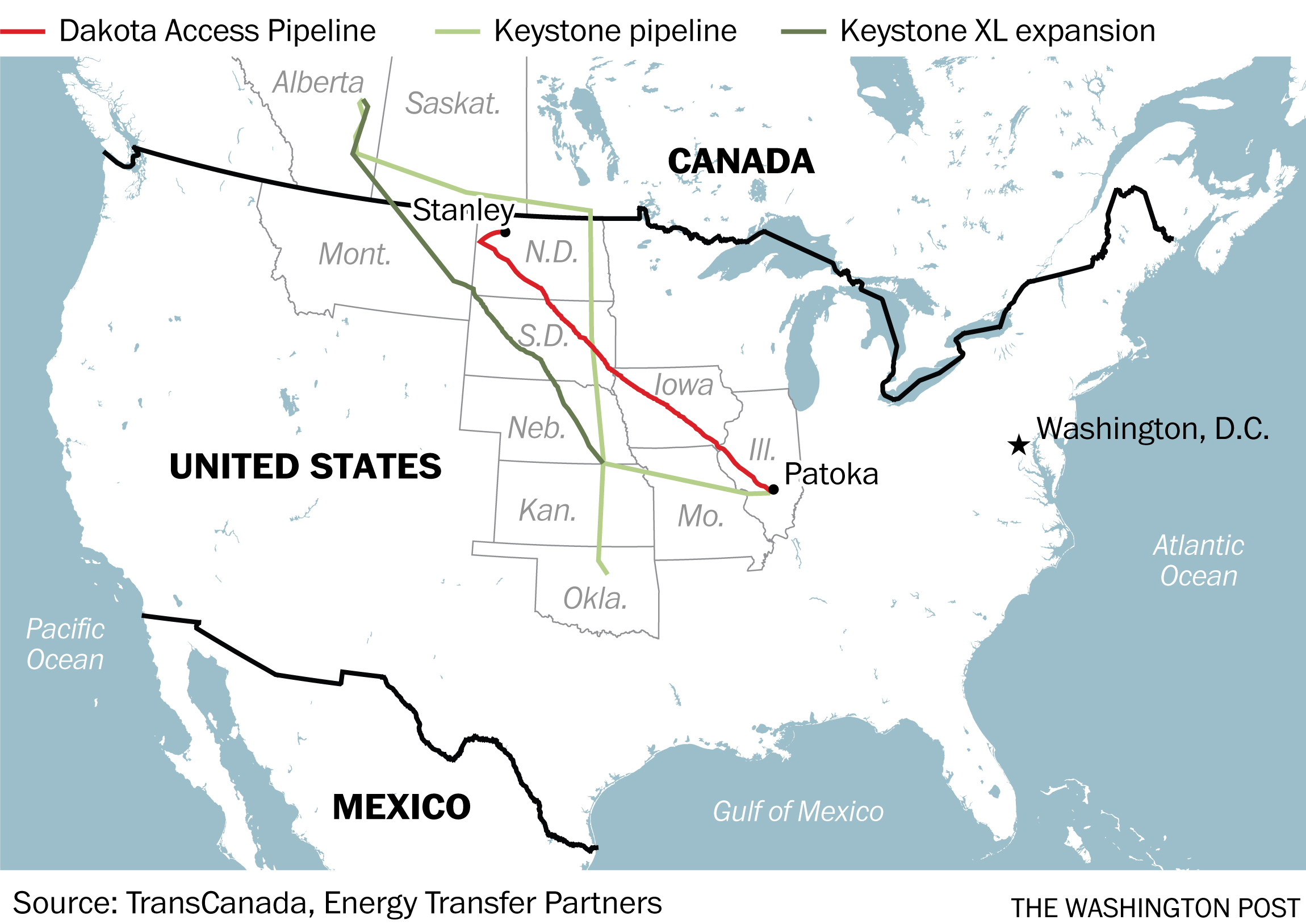
However, what is clear to see is that the Dakota Access Pipeline is one of the major infrastructure projects across the country that has paid considerable attention to the safety purposes. The system is considered to be fifty per cent thicker than actually what is required, which gives it unmatched credentials than what most of the people think. This explains why the line has recorded the lowest leaks in the pipeline sector in the last few years.
Energy Transfer Partners which controls Dakota Access, LLC began the construction of the pipeline in June 2016. Affiliates of Enbridge and Marathon Petroleum along with Phillips 66 hold minority interest in the Dakota Access Pipeline By April 2017 the pipeline was completed and on May 14 2017 the first line was delivered.
Besides being more than fifty per cent thicker of what is required, the company that was given the responsibility to construct this line did some tremendous job throughout the way, especially crossing some of the major rivers across the country. For example, when crossing the Missouri River, the Dakota Access Pipeline passes below ninety-five and one hundred fifteen feet below the river. This means that the pipeline does not have any impacts on the drinking water. See This Page for additional information.
Find more information on https://daplpipelinefacts.com/News.html